How to Compare Two Countertop Bids
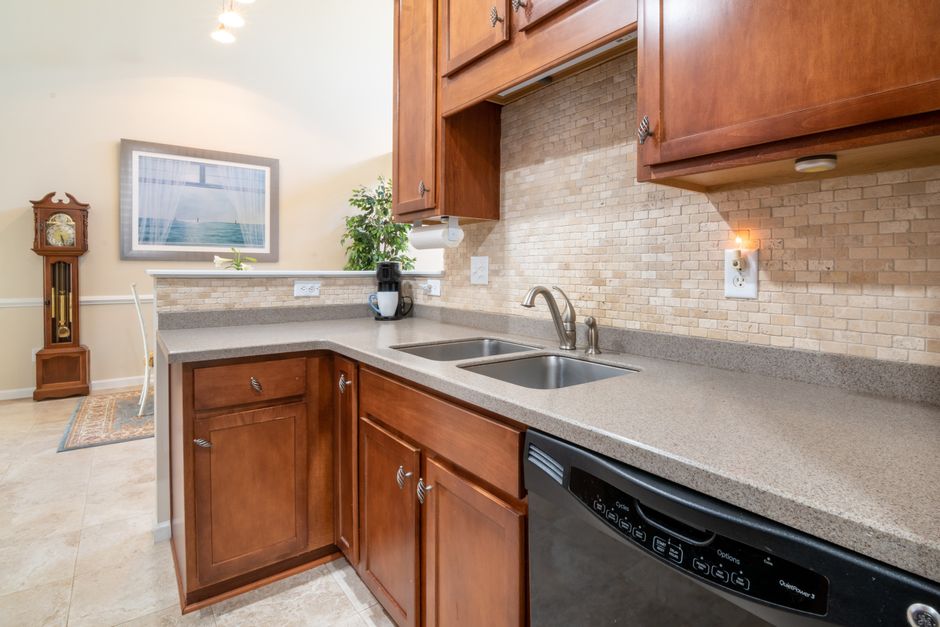
Homeowners collect three quotes, line up the headline numbers, and pick the middle one. That method works when the thing being priced is identical, and countertop bids almost never are. The differences hide in items that are easy to leave off a quote sheet and expensive to add back after the stone has been ordered.
Start With the Square Footage
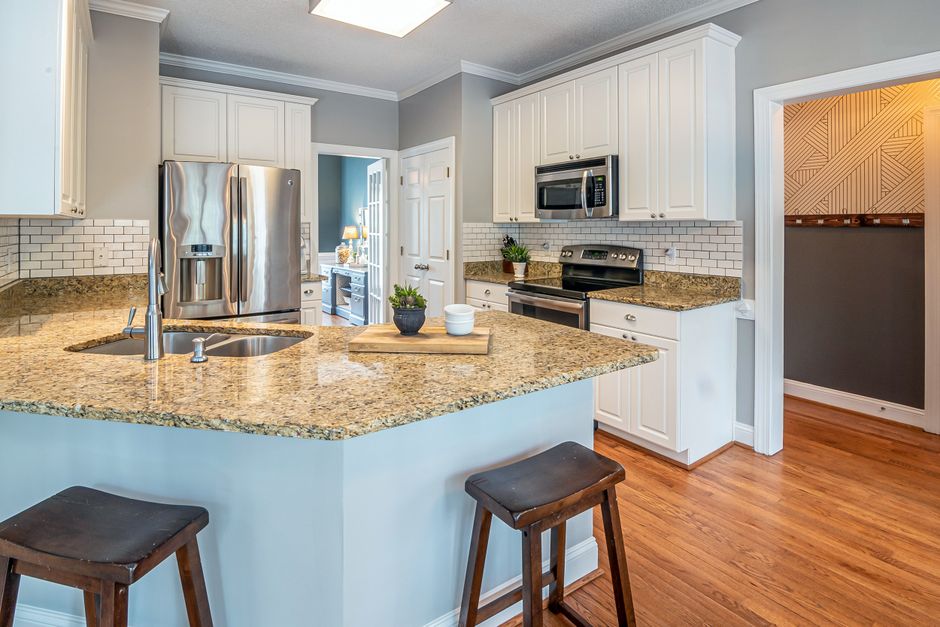
Two shops can measure the same kitchen and produce different square footage because they treat the overhang and the backsplash differently. Some include a four inch splash in the counter total, some price it separately per linear foot, and some quote a full height slab splash that doubles the material. Ask what is in the number before comparing it to anything.
Cutouts and Edges
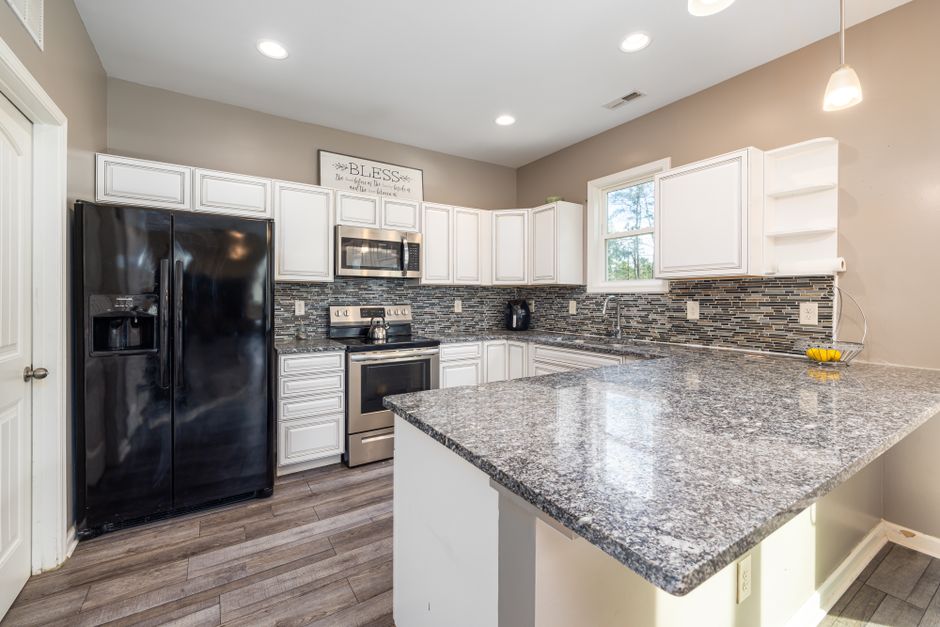
A standard undermount sink cutout is often included. A farmhouse sink usually is not, because it needs a supported apron and a more careful cut. Cooktop cutouts, faucet holes, soap dispenser holes and air switch holes are each a small charge that appears on one quote and vanishes into the base on another.
Edge profiles work the same way. Eased and bevelled edges are typically standard. Ogee, bullnose and mitred edges cost more, and a mitred apron edge that makes the counter look thicker is a significant labour item rather than a finish option.
Tear Out, Disposal and Plumbing
Removing the old tops, hauling them away, and disconnecting and reconnecting the sink plumbing are three separate items. Some quotes include all three, some include none, and some include removal but leave the plumbing to a licensed plumber you have to book separately. That last case is the one that catches people, because it turns a one day job into two.
Seams and Slab Yield
A quote that promises fewer seams may be assuming a larger slab or a jumbo slab at a higher material price. A quote with more seams may be cutting from remnants. Neither is wrong, but they are not the same product, and the seam diagram is what tells you which one you are buying.
The Questions That Settle It
Ask each bidder for the seam layout, the edge profile by name, whether tear out and disposal are included, who reconnects the plumbing, and what happens if the slab cracks in fabrication or transport. Ask for the total including tax and delivery rather than the per foot figure. Once those five answers are written down, the quotes become comparable, and the cheapest one is often no longer the cheapest one.