Countertop Installers in Redding
Notes on hiring and comparing countertop installers in Redding: how bids are structured, who actually fabricates the stone, and which line items move the total.
Hiring a Countertop Installer in Redding
Countertops are sold like a product and delivered like a service. The slab is the part people shop for, and the fitting is the part that decides whether the finished kitchen looks like the showroom. These notes are about the second half, which is harder to compare and much easier to get wrong.
Who Is Actually Doing the Work
The company that quotes you is not always the company that cuts your stone or the company that installs it. Big box retailers subcontract fabrication. Some stone yards sell slabs and refer out. A local fabricator with its own saw and its own crew is a different arrangement again, and each of the three has a different answer when something goes wrong on install day.
Bids Are Not Comparable Until You Break Them Apart
Two quotes on the same kitchen routinely differ by hundreds of dollars because one included tear out and disposal and the other did not, or because one counted a farmhouse sink cutout as standard. Square foot pricing is the headline. The cutouts, edges, seams and removal are where the difference lives.
Local Considerations
Redding runs hot for a long stretch of the year, and shops schedule stone deliveries around that. Older homes in the area often have cabinet runs that have drifted out of level, which adds shimming time. Neither is unusual and neither should surprise an installer who works here regularly.
What These Guides Cover
Below: how to read two bids side by side, and how to work out which of the three business models you are actually hiring.
Latest Guides
How to Compare Two Countertop Bids
2026-09-05
Homeowners collect three quotes, line up the headline numbers, and pick the middle one. That method works when the thing being priced is identical, and countertop bids almost never are. The differences hide in items that are easy to leave off a quote sheet and expensive to add back after the stone has been ordered.
Start With the Square Footage
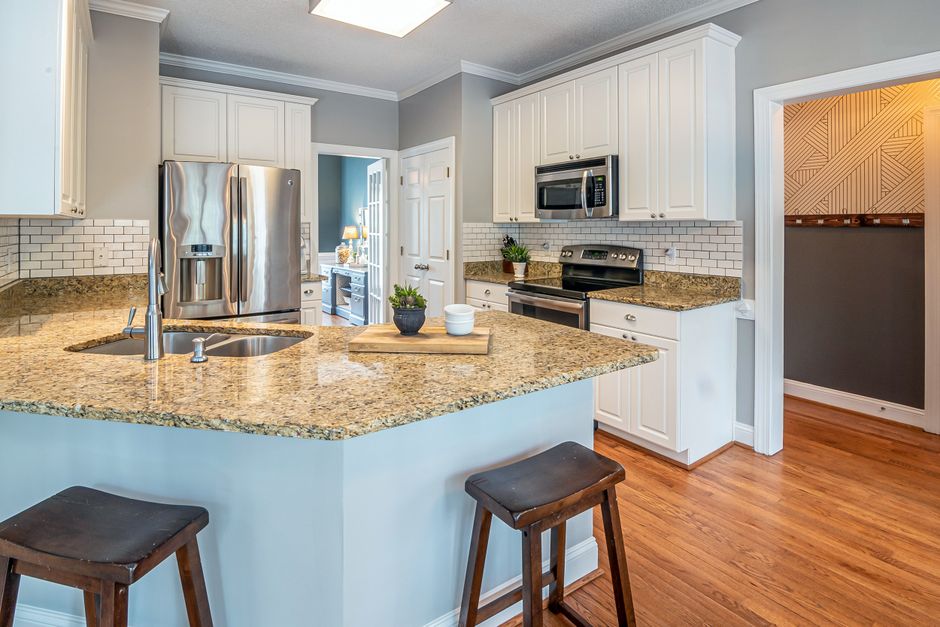
Two shops can measure the same kitchen and produce different square footage because they treat the overhang and the backsplash differently. Some include a four inch splash in the counter total, some price it separately per linear foot, and some quote a full height slab splash that doubles the material. Ask what is in the number before comparing it to anything.
Cutouts and Edges
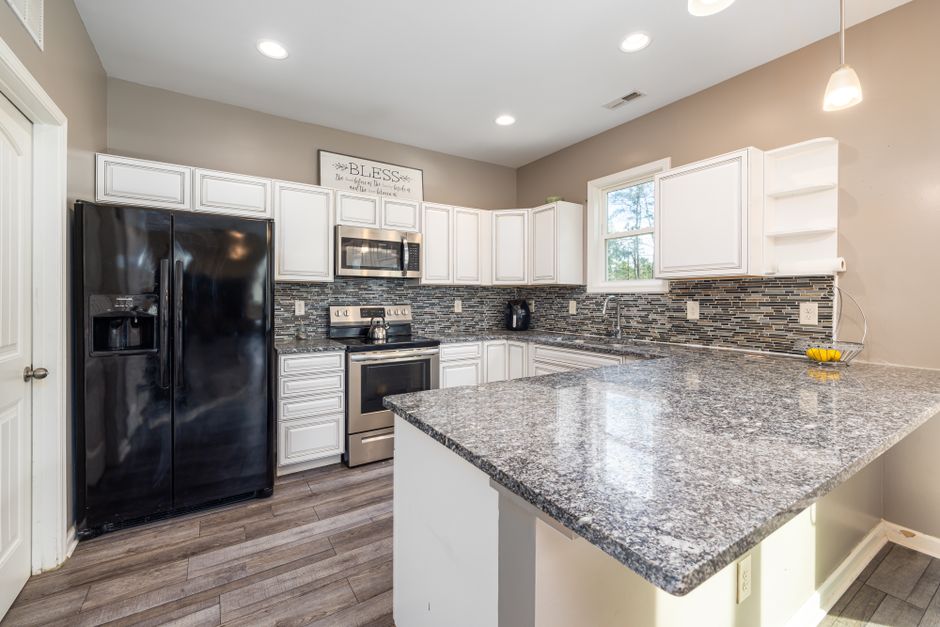
A standard undermount sink cutout is often included. A farmhouse sink usually is not, because it needs a supported apron and a more careful cut. Cooktop cutouts, faucet holes, soap dispenser holes and air switch holes are each a small charge that appears on one quote and vanishes into the base on another.
Edge profiles work the same way. Eased and bevelled edges are typically standard. Ogee, bullnose and mitred edges cost more, and a mitred apron edge that makes the counter look thicker is a significant labour item rather than a finish option.
Tear Out, Disposal and Plumbing
Removing the old tops, hauling them away, and disconnecting and reconnecting the sink plumbing are three separate items. Some quotes include all three, some include none, and some include removal but leave the plumbing to a licensed plumber you have to book separately. That last case is the one that catches people, because it turns a one day job into two.
Seams and Slab Yield
A quote that promises fewer seams may be assuming a larger slab or a jumbo slab at a higher material price. A quote with more seams may be cutting from remnants. Neither is wrong, but they are not the same product, and the seam diagram is what tells you which one you are buying.
The Questions That Settle It
Ask each bidder for the seam layout, the edge profile by name, whether tear out and disposal are included, who reconnects the plumbing, and what happens if the slab cracks in fabrication or transport. Ask for the total including tax and delivery rather than the per foot figure. Once those five answers are written down, the quotes become comparable, and the cheapest one is often no longer the cheapest one.
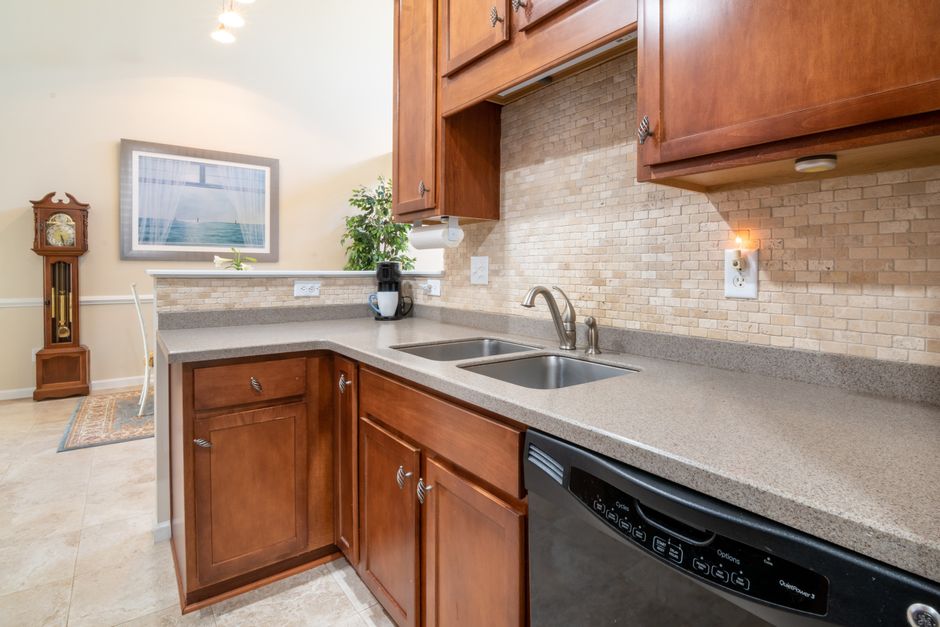
Fabricator, Retailer or Installer: Who You Are Hiring
2026-09-05
The countertop trade has three business models operating side by side, and from the showroom floor they look identical. Understanding which one you are buying from tells you who owns the mistake if a slab arrives with the sink cut in the wrong place.
The Fabricator
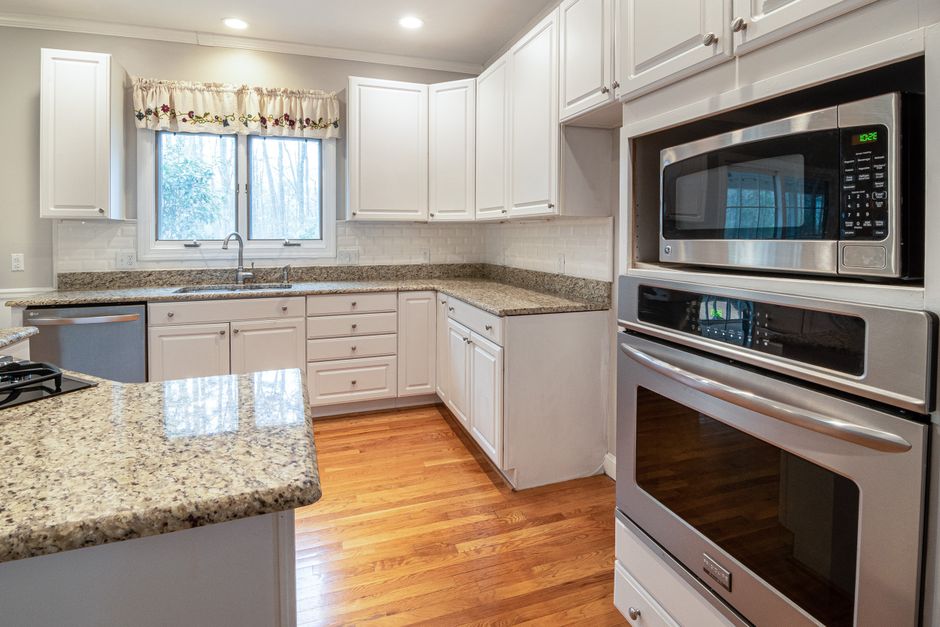
A fabricator buys slabs, cuts them on its own saw, polishes the edges, and sends its own crew to install. One company, one contract, one phone number. When something is wrong, there is nobody to point at. This is usually the cleanest arrangement and often not the cheapest headline price, because the shop is carrying the equipment cost and the liability.
The Retailer
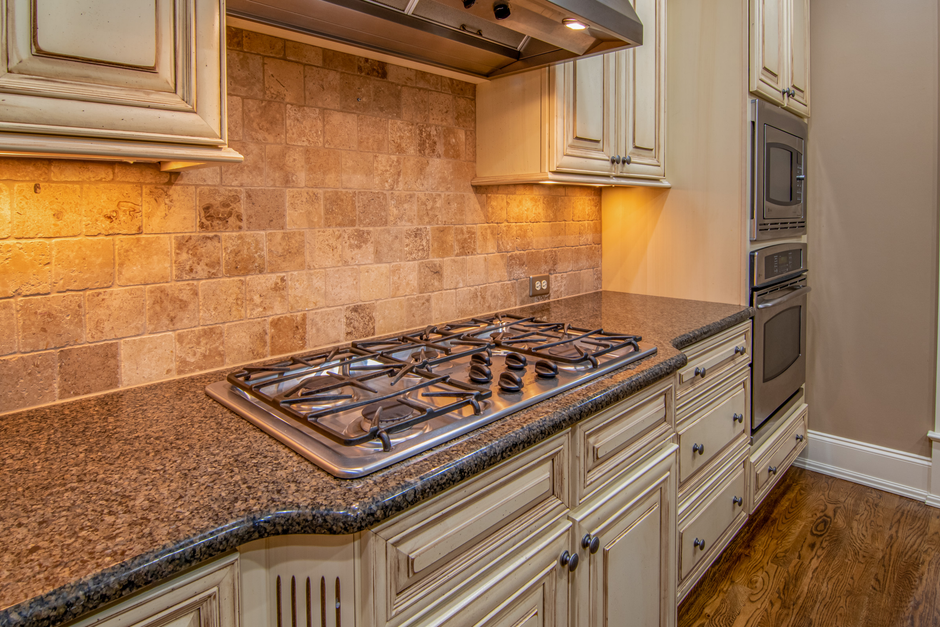
A home improvement chain or a kitchen showroom sells you the job and subcontracts the fabrication and installation. The contract is with the retailer, the crew in your kitchen works for somebody else, and the scheduling runs through a coordinator rather than the shop. Warranty claims are typically well handled because the retailer has a process, but the process is slower and the crew has no authority to make a judgment call on the spot.
The Stone Yard
A yard sells slabs and may refer you to a fabricator it works with. Here you can end up with two contracts: one for material and one for labour. The advantage is slab selection, because you are standing in front of the actual stone rather than a four inch sample. The risk is the gap between the two agreements, which is where a cracked slab argument starts.
How to Tell Which You Have
Ask three questions. Where is the stone cut, and can I see the shop. Do the installers work for you or for a subcontractor. If the slab breaks during fabrication, who replaces it and how long does that add. A fabricator answers all three immediately. A retailer answers the third with a policy. A yard answers the first and hesitates on the other two.
Why It Matters More Than Price
Nothing about this makes one model correct. Plenty of retailer jobs go perfectly and plenty of small shops are excellent. The point is that the answer changes what you should put in writing. With a subcontracted job, get the tear out, the plumbing reconnection and the template prerequisites listed explicitly, because the coordinator and the crew are reading different documents. With a single fabricator, a shorter contract is usually fine, because one company is standing behind all of it.